
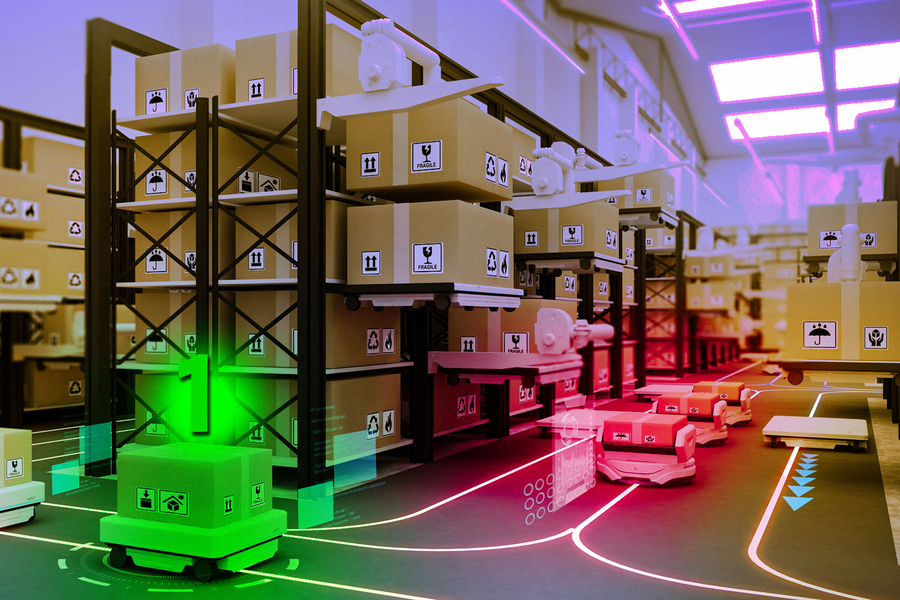
AI system learns to keep warehouse robot traffic running smoothly
New approach from researchers including IDSS faculty Cathy Wu adapts to decide which robots should get the right of way at every moment, avoiding congestion and increasing throughput.
READ MORE
Why rooftop solar in Mass. is flawed, and how to fix it
The current compensation structure turns a climate solution into a burden for residents without solar, according to research from TPP student Fischer Espiritu Argosino and Professor Christopher Knittel.
READ MORE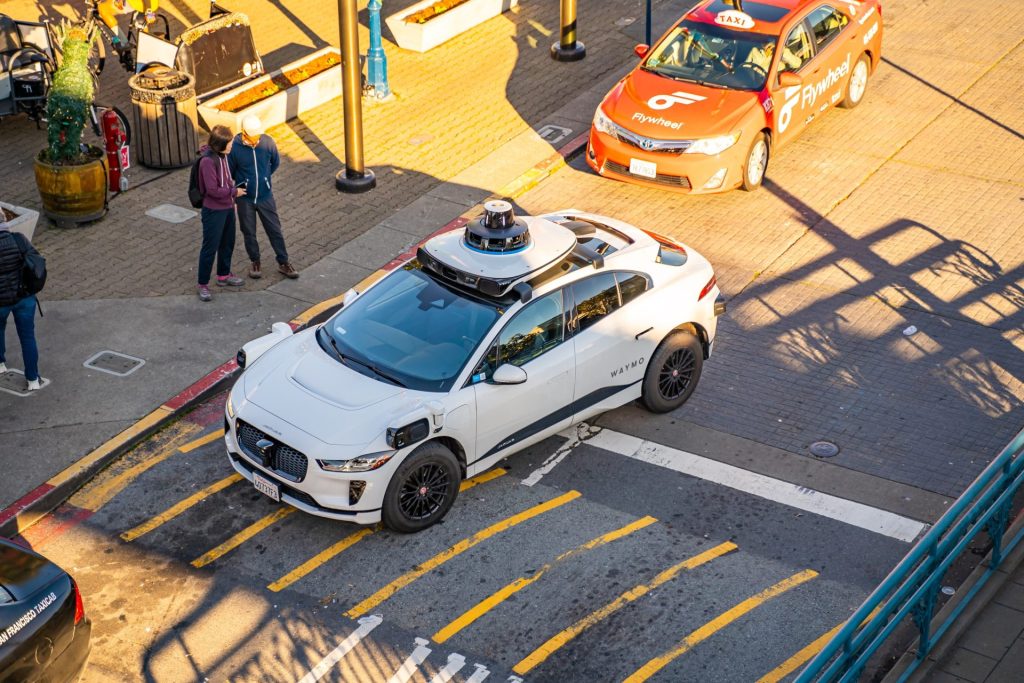
Before autonomous vehicles scale up, researchers call for stronger scientific standards
New study from researchers including IDSS faculty Gioele Zardini finds autonomous mobility-on-demand research must become more transparent and reproducible to guide real-world transportation decisions
READ MORE
What happens when US economic data becomes unreliable
New paper co-authored by IDSS faculty Roberto Rigobon addresses the main challenges undermining trustworthy government data and details what businesses should be aware of, especially regarding the use of private data.
READ MORE
3 Questions: On the future of AI and the mathematical and physical sciences
Professor and IDSS faculty Jesse Thaler describes a vision for a two-way bridge between artificial intelligence and the mathematical and physical sciences — one that promises to advance both.
READ MORE
MIT School of Engineering faculty receive awards in fall 2025
Faculty members and researchers including IDSS faculty Faez Ahmed were honored in recognition of their scholarship, service, and overall excellence.
READ MORE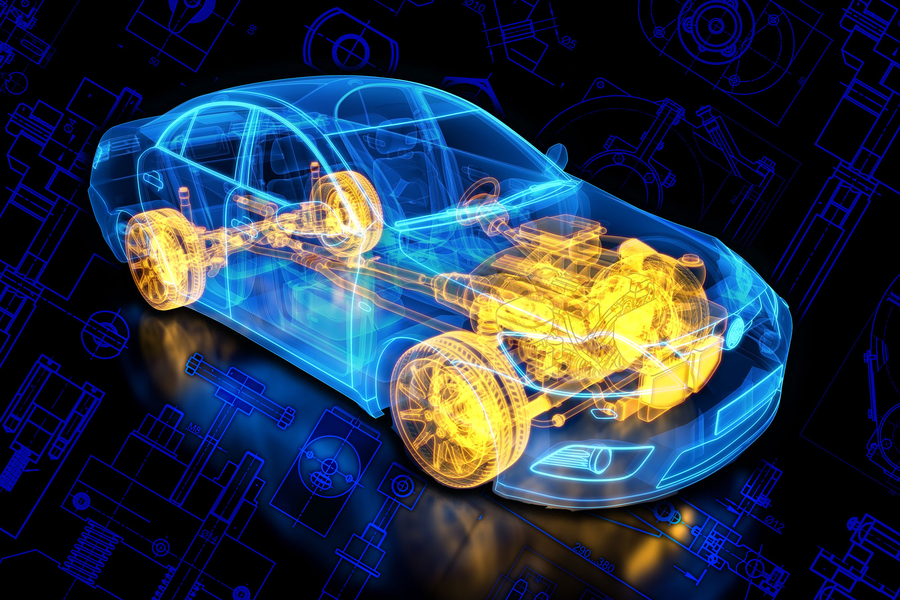
A “ChatGPT for spreadsheets” helps solve difficult engineering challenges faster
The approach, from a paper co-authored by IDSS faculty Faez Ahmed, could help engineers tackle extremely complex design problems, from power grid optimization to vehicle design.
READ MORE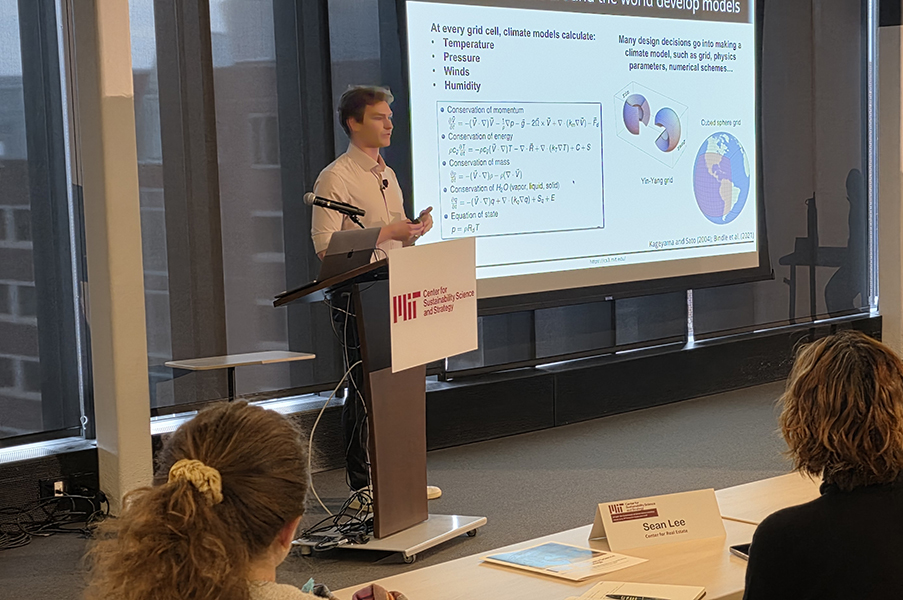
Researcher Profile: 3 Questions with Chris Womack
TPP alum Chris Womack ’22, SM ’24 and current Center for Sustainability PhD student describes his career path and its potential impact.
READ MORE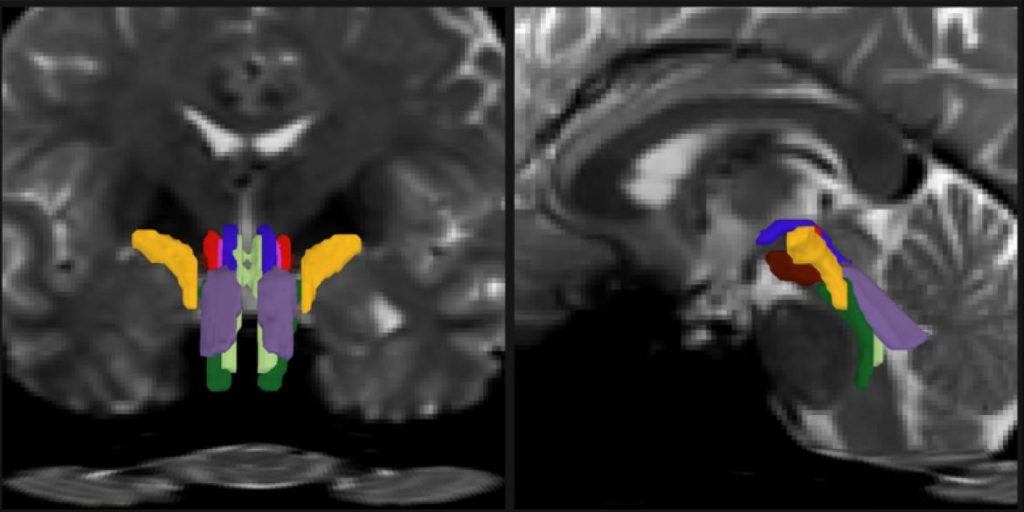
AI algorithm enables tracking of vital white matter pathways
Opening a new window on the brainstem, a new tool developed by a team including IDSS faculty Emery Brown reliably and finely resolves distinct nerve bundles in live diffusion MRI scans, revealing signs of injury or disease.
READ MORE
AI to help researchers see the bigger picture in cell biology
By providing holistic information on a cell, an AI-driven method from researchers including IDSS faculty Caroline Uhler could help scientists better understand disease mechanisms and plan experiments.
READ MORE
